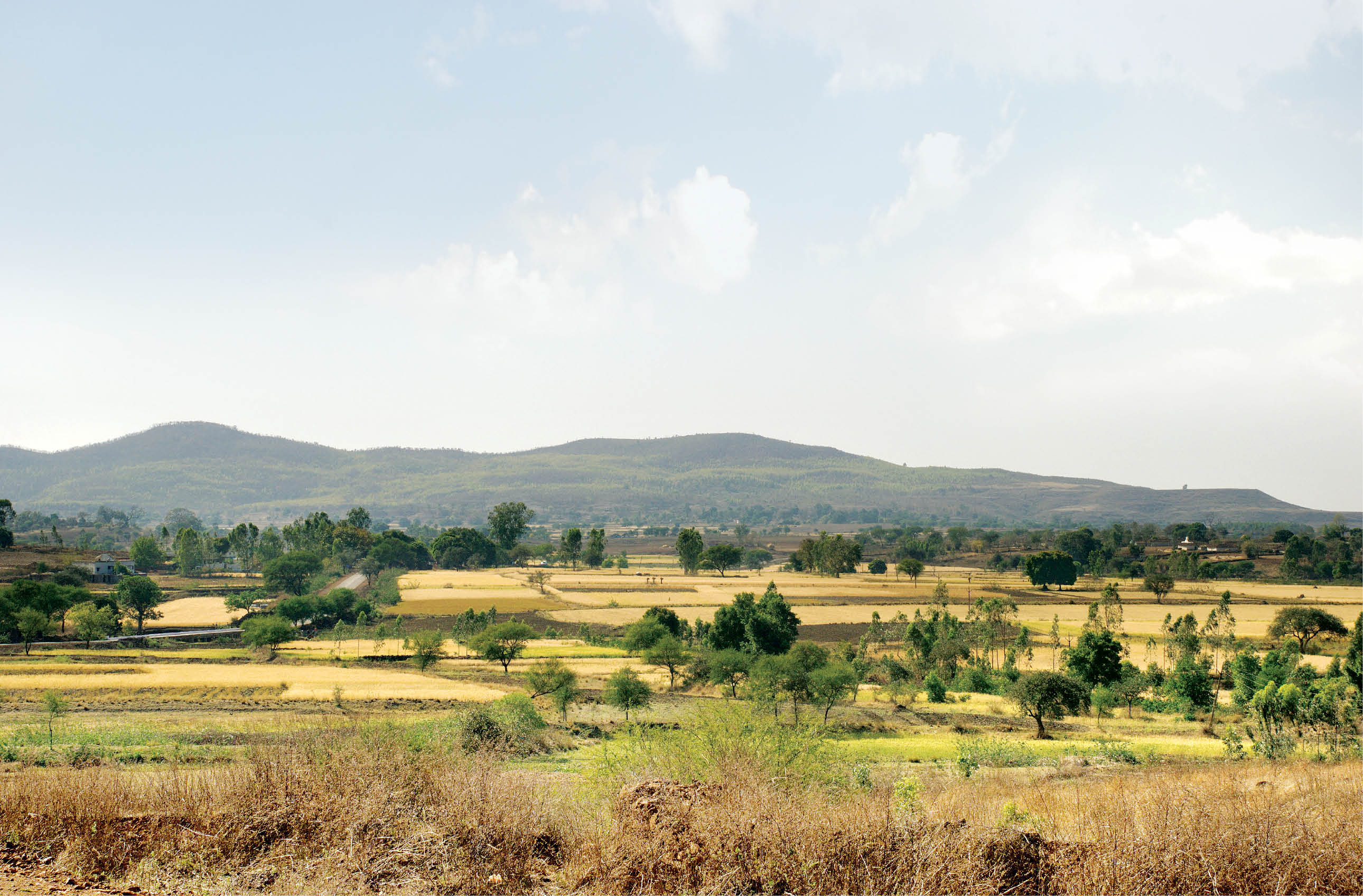
Abstract: Of India’s more than one billion people, about 68 per cent are directly or indirectly dependent on agriculture even today. Despite rapid technological interventions, about two thirds of India’s agricultural area remain rainfed and vulnerable to present day climate variability. The implications of climate change is yet not very clear, although scholars agree that global climate change will lead to greater unpredictability of weather conditions at local levels. This warrants serious deliberations on implications of climate change for agriculture in general and rural livelihoods in particular.
The author is Associate Professor, Centre for the Study of Regional Development, Jawaharlal Nehru University, New Delhi.
What if India's pathway to net zero does not end at factories—but begins where terrestrial meets the coastal? As carbon emissions rise and climate risks intensify, the search for solutions has largely...
India is set to embark on a new chapter in its Polar exploration journey with the construction of Maitri II. The Indian government plans to establish a new research station near the existing Maitri ba...
The Deep Ocean Mission (DOM), approved by the Government of India in 2021 under the Ministry of Earth Sciences (MoES), represents a strategic step in realizing Sustainable Development Goal 14 (SDG 14:...
China recently announced restrictions on the export of seven rare earth elements (REEs), soon after US President Donald Trump decided to impose tariffs. As the world's dominant supplier—responsible fo...