Coral Reefs in Changing Climate
ENVIRONMENT, EARTH SCIENCE, BIODIVERSITY
What if India's pathway to net zero does not end at factories—but begins where terrestrial meets the coastal? As carbon emissions rise and climate risks intensify, the search for solutions has largely...
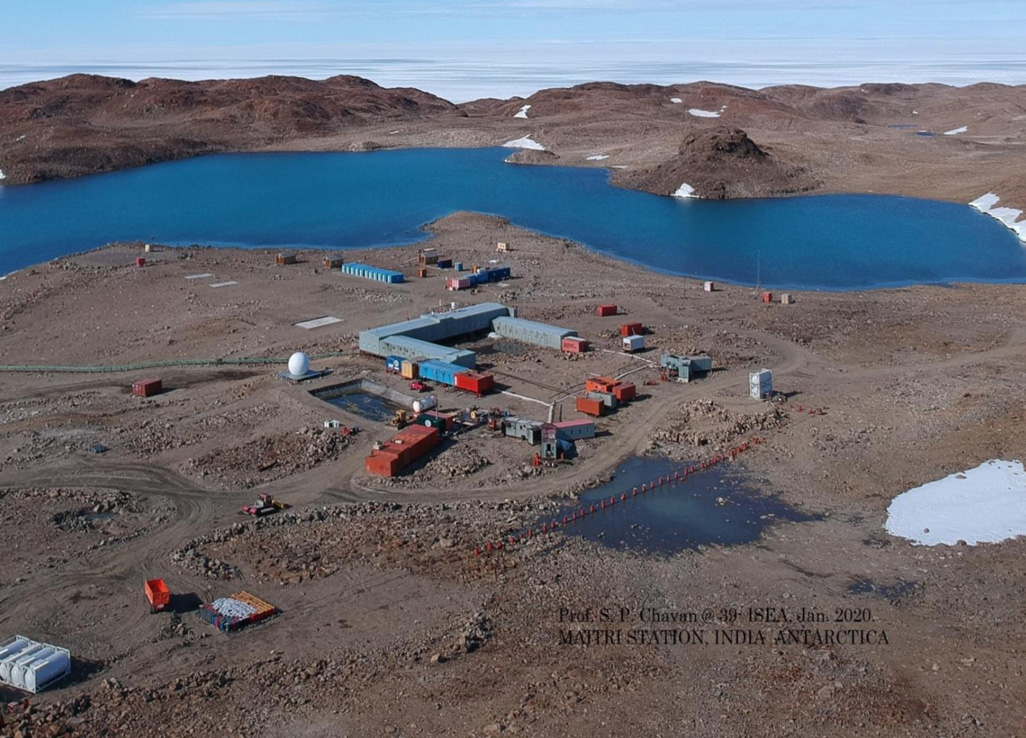
India is set to embark on a new chapter in its Polar exploration journey with the construction of Maitri II. The Indian government plans to establish a new research station near the existing Maitri ba...
The Deep Ocean Mission (DOM), approved by the Government of India in 2021 under the Ministry of Earth Sciences (MoES), represents a strategic step in realizing Sustainable Development Goal 14 (SDG 14:...
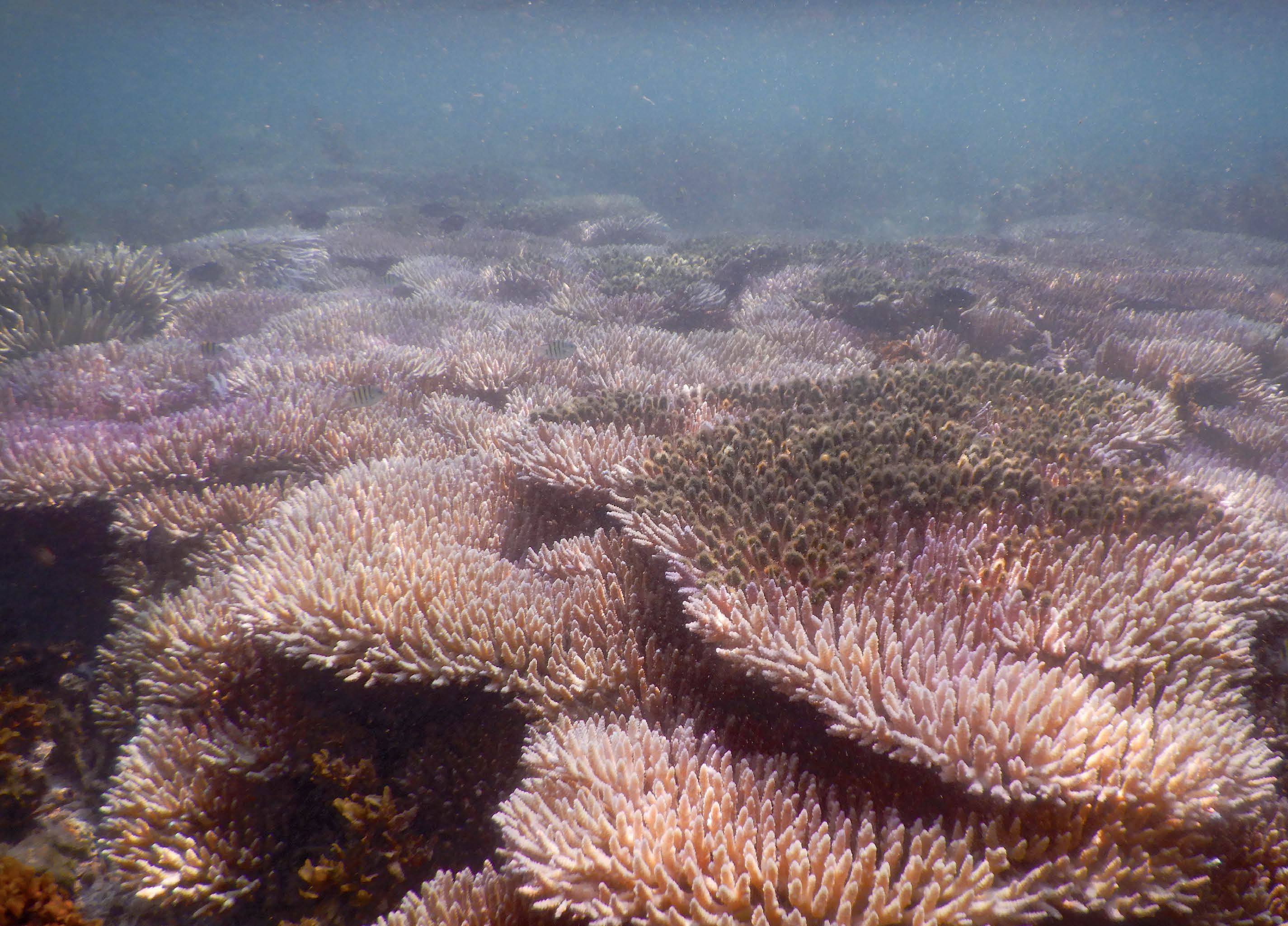
Coral reefs are one of the most productive and biodiverse marine ecosystems on earth which are currently facing imminent risk of collapse globally due to natural and anthropogenic stressors. One of th...
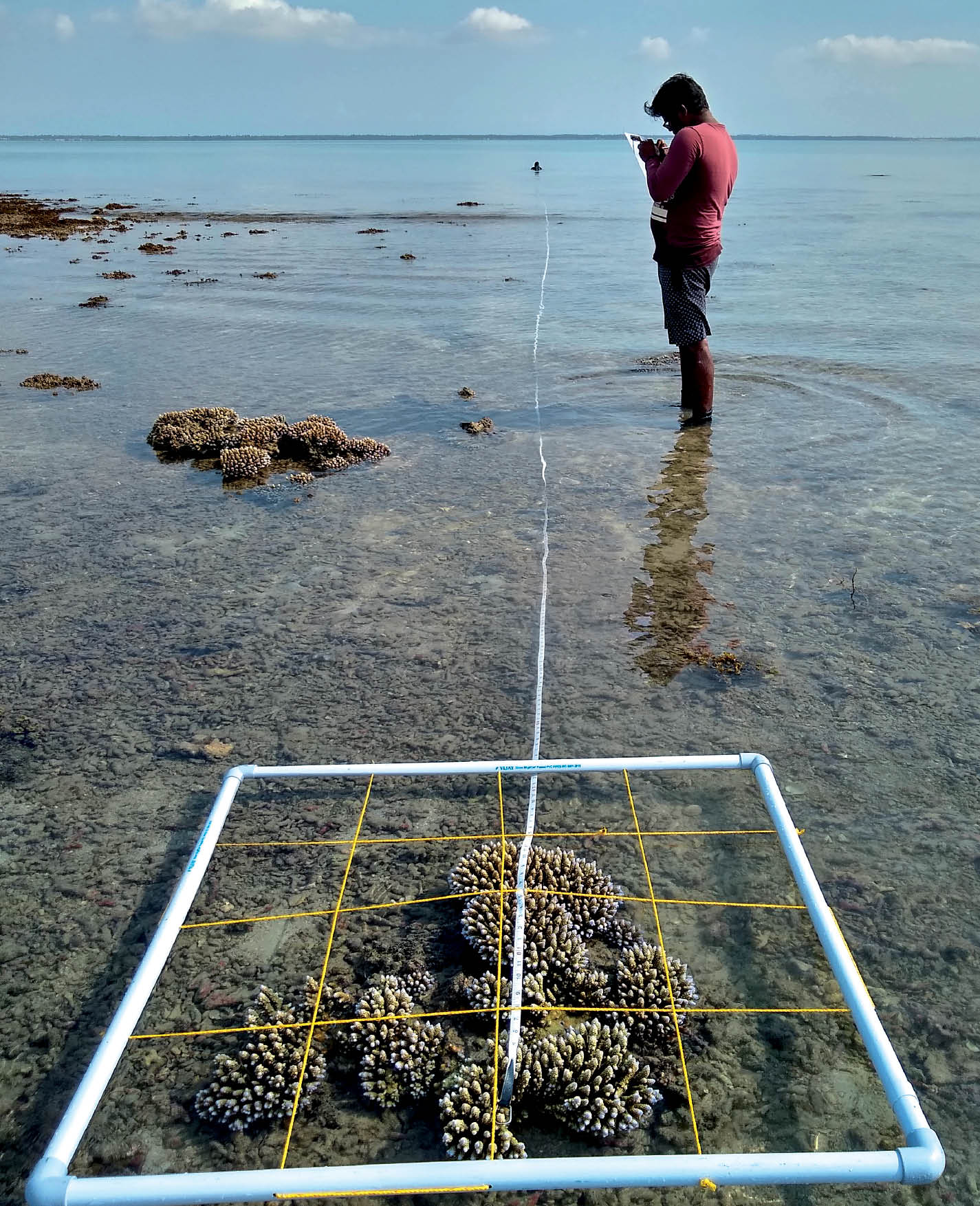
Reef health monitoring and assessments are integral and imperative components of ecosystem management in order to save the critical coral habitat. A comprehensive reef health status of scleractinian c...
Coral reefs are one of the most productive and biodiverse marine ecosystems on earth which are currently facing imminent risk of collapse globally due to natural and anthropogenic stressors. One of the critical factors is the El Niño Southern Oscillation (ENSO) events. For example, elevated sea surface temperature (ESST) anomalies of 1998, 2010, and 2016 and consequent events have resulted in a dr...
Reef health monitoring and assessments are integral and imperative components of ecosystem management in order to save the critical coral habitat. A comprehensive reef health status of scleractinian corals in Gulf of Mannar and Palk Bay with a documentation of 79 reef building coral species, belonging to 13 families and 22 genera have been undertaken by the National Centre for Coastal Research. Th...