The Unorganised workforce of India
ENVIRONMENT, EARTH SCIENCE, BIODIVERSITY
What if India's pathway to net zero does not end at factories—but begins where terrestrial meets the coastal? As carbon emissions rise and climate risks intensify, the search for solutions has largely...
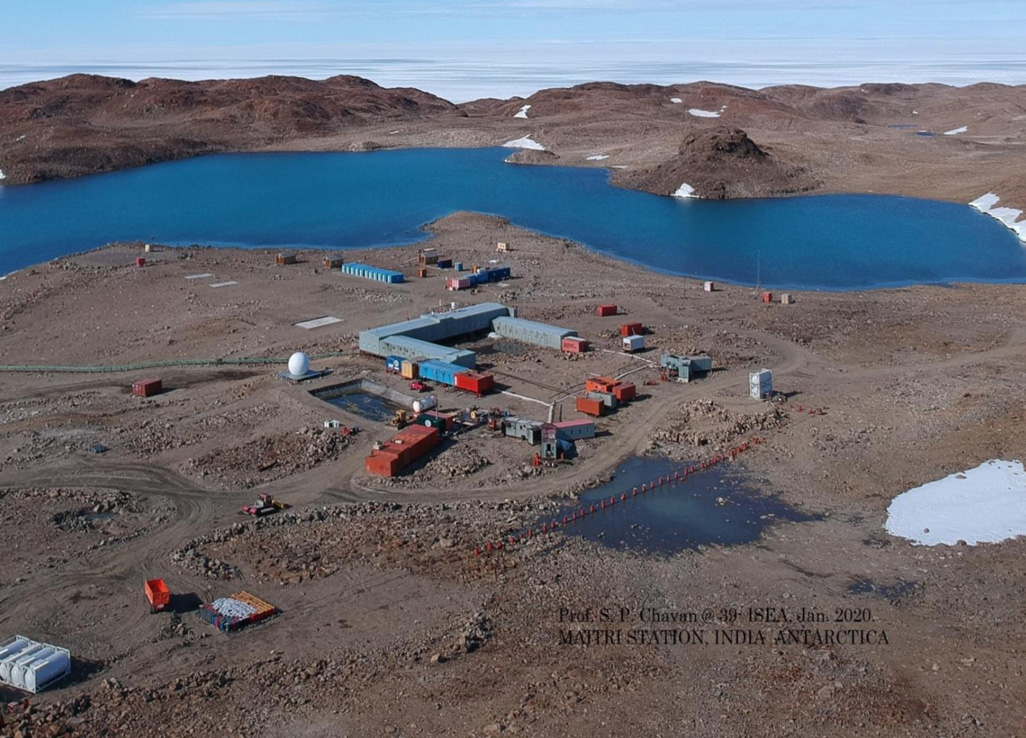
India is set to embark on a new chapter in its Polar exploration journey with the construction of Maitri II. The Indian government plans to establish a new research station near the existing Maitri ba...
The Deep Ocean Mission (DOM), approved by the Government of India in 2021 under the Ministry of Earth Sciences (MoES), represents a strategic step in realizing Sustainable Development Goal 14 (SDG 14:...
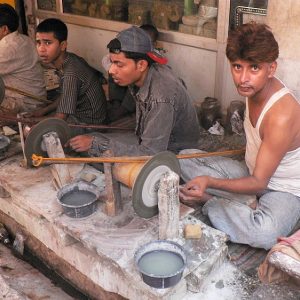
<p>More than 82 percent of the workforce in India is employed in the unorganised sector, as noted by the International Labour Union in its India Labour Market Update of 2016. This report serves as the...
<p>These discussions on poverty in India culminated in an expert committee being appointed by the Planning Commission in 1977 under the economist Y. K. Alagh that looked to produce a methodology for m...
<p>A demographic dividend occurs when the rate of economic growth is increased due to a change in the age structure of a population that favours the presence of more working age people than that of a...
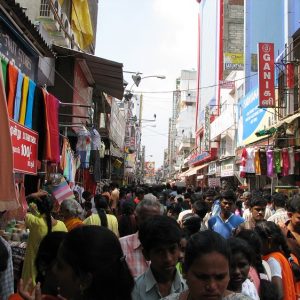
<p>In the post-independence period, Indian cities had remained auxiliary to the concerns of balanced regional development. The city as a territorial unit in regional planning and development had large...
<p>More than 82 percent of the workforce in India is employed in the unorganised sector, as noted by the International Labour Union in its India Labour Market Update of 2016. This report serves as the main source of data for the workforce in the unorganised sector.</p>
<p>These discussions on poverty in India culminated in an expert committee being appointed by the Planning Commission in 1977 under the economist Y. K. Alagh that looked to produce a methodology for measuring poverty in India.</p>
<p>A demographic dividend occurs when the rate of economic growth is increased due to a change in the age structure of a population that favours the presence of more working age people than that of a dependent population. A demographic dividend thus is the result of a changing age structure of the population.</p>