The Yamuna Biodiversity Park | Example of Wasteland Restoration
ENVIRONMENT, EARTH SCIENCE, BIODIVERSITY
What if India's pathway to net zero does not end at factories—but begins where terrestrial meets the coastal? As carbon emissions rise and climate risks intensify, the search for solutions has largely...
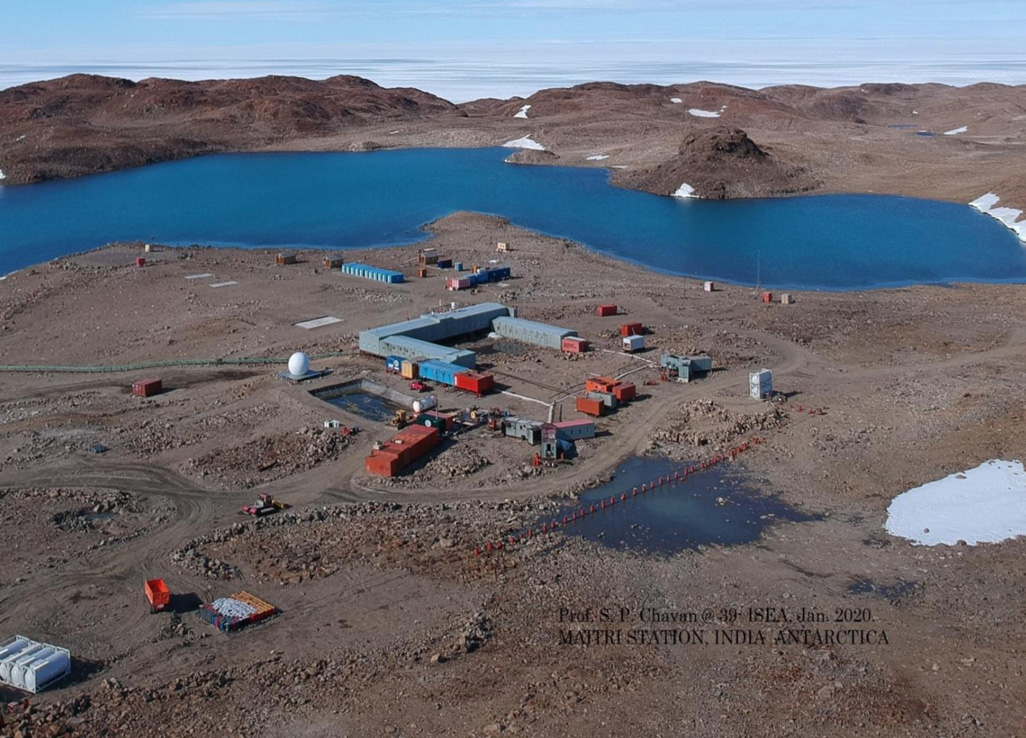
India is set to embark on a new chapter in its Polar exploration journey with the construction of Maitri II. The Indian government plans to establish a new research station near the existing Maitri ba...
The Deep Ocean Mission (DOM), approved by the Government of India in 2021 under the Ministry of Earth Sciences (MoES), represents a strategic step in realizing Sustainable Development Goal 14 (SDG 14:...
<p>Backdrop of Wasteland Restoration Wastelands are degraded lands where the soil might have low productive capacity. Wastelands include areas that are affected by erosion, shifting cultivation, high...
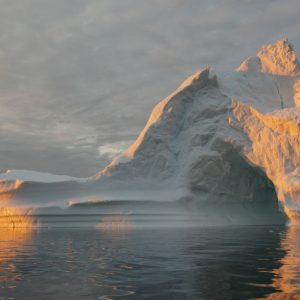
<p>On July 31, 2017, satellites noticed a large column of smoke arising out of Greenland’s permafrost areas, which after being imaged by an Operational Land Imager (OLI), gave data that identifi...
<p>Although the effects are slow to be realized, with the IPCC predicting the possibility of a rise in global temperatures by 3 degrees Celsius by 2080 (Jones, 2017), the longer term effects with an i...
ENGLISH FREE ARTICLE, ENVIRONMENT
<p>Acid mine drainage can occur indefinitely for hundreds of years even after the mining activities have ended and thus affects a large horizon – ecologically and economically. The mines continue to p...
<p>Backdrop of Wasteland Restoration Wastelands are degraded lands where the soil might have low productive capacity. Wastelands include areas that are affected by erosion, shifting cultivation, high salinity or alkalinity, riverine lands, or lands that are affected by water logging, or moisture deficiency.</p>
<p>On July 31, 2017, satellites noticed a large column of smoke arising out of Greenland’s permafrost areas, which after being imaged by an Operational Land Imager (OLI), gave data that identified the phenomenon as a fire over the course of the week (NASA, 2017).</p>
<p>Although the effects are slow to be realized, with the IPCC predicting the possibility of a rise in global temperatures by 3 degrees Celsius by 2080 (Jones, 2017), the longer term effects with an increasing rate of acceleration in global atmospheric CO2 levels could have devastating effects on the Earth’s climatic patterns.</p>