Migration and Upward Mobility in the Labour Market: The Case of Kerala
ENVIRONMENT, EARTH SCIENCE, BIODIVERSITY
What if India's pathway to net zero does not end at factories—but begins where terrestrial meets the coastal? As carbon emissions rise and climate risks intensify, the search for solutions has largely...
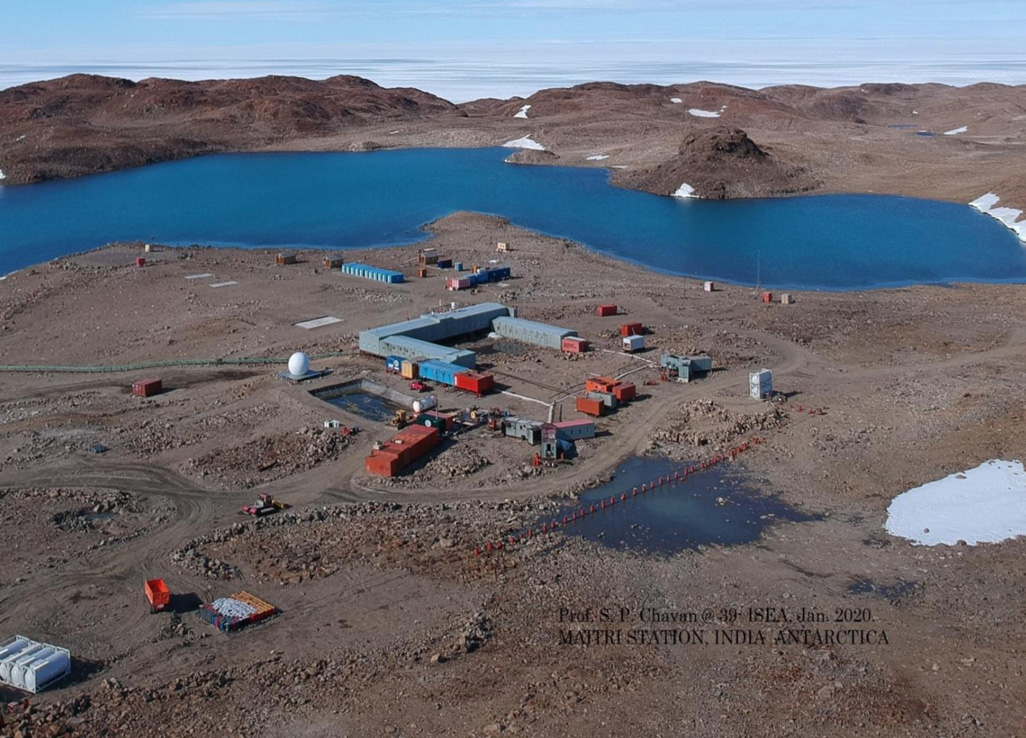
India is set to embark on a new chapter in its Polar exploration journey with the construction of Maitri II. The Indian government plans to establish a new research station near the existing Maitri ba...
The Deep Ocean Mission (DOM), approved by the Government of India in 2021 under the Ministry of Earth Sciences (MoES), represents a strategic step in realizing Sustainable Development Goal 14 (SDG 14:...
Millions of people migrate, within and outside their country, to widen their livelihood prospects. The movement is central to the upliftment of living standards for migrants and their families. Using...
The author argues for the deployment of humanitarian philanthropy which a trans-South Asian can exhibit to support sustainable development in the countries of their origin particularly to achieve the...
Who goes abroad and why? The impact of going abroad for international assignments is usually gendered. While women make up nearly 35 per cent of the labour force in the Indian tech sector, a proportio...
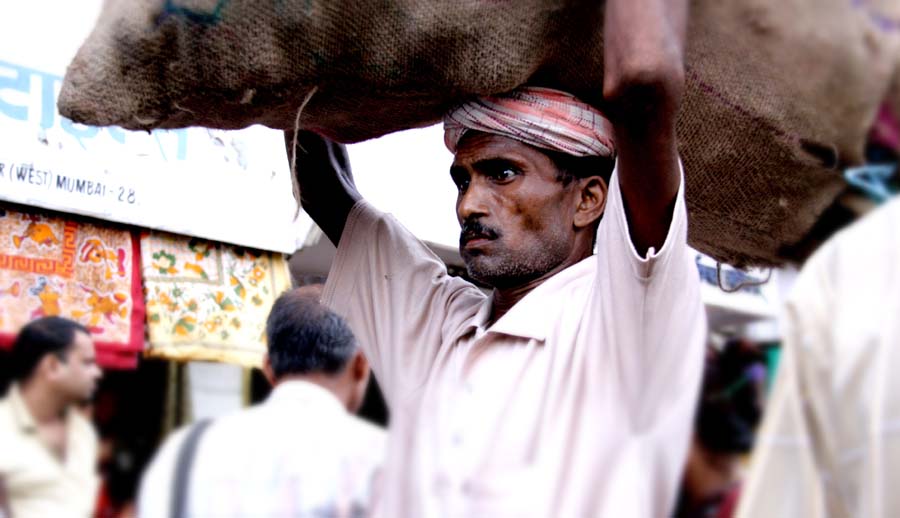
Millions of people migrate, within and outside their country, to widen their livelihood prospects. The movement is central to the upliftment of living standards for migrants and their families. Using the Kerala Migration Survey (KMS), 2018, this study attempts to examine the relationship between migration and upward mobility.
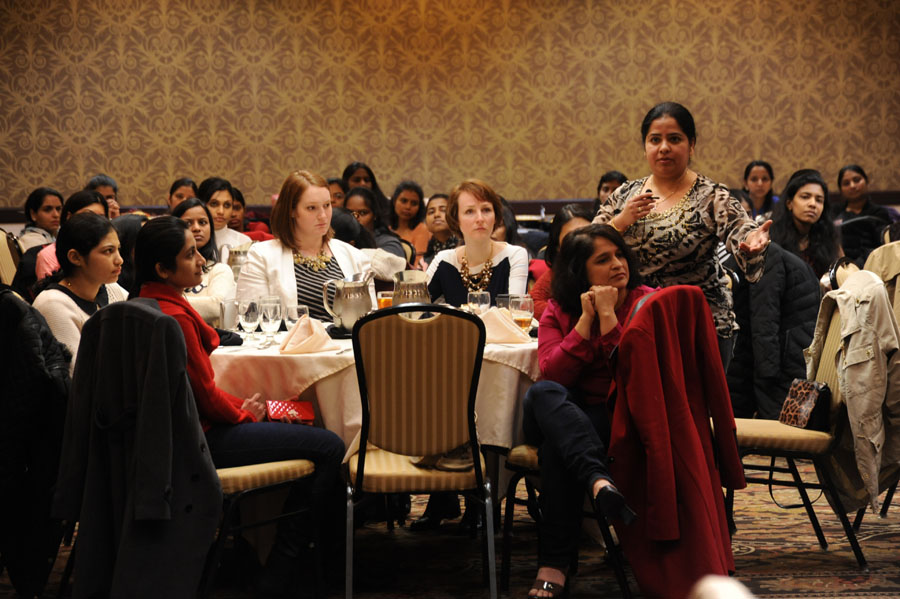
The author argues for the deployment of humanitarian philanthropy which a trans-South Asian can exhibit to support sustainable development in the countries of their origin particularly to achieve the Global Compact for Migration (GCM) objective through contributions in the fields of education and health.
Who goes abroad and why? The impact of going abroad for international assignments is usually gendered. While women make up nearly 35 per cent of the labour force in the Indian tech sector, a proportionally smaller group takes up international assignments. In this article, we draw on our findings to highlight who this group is, how the nature of work and migration is gendered and how it impacts wom...