The Glaciers of the Himalaya
ENVIRONMENT, EARTH SCIENCE, BIODIVERSITY
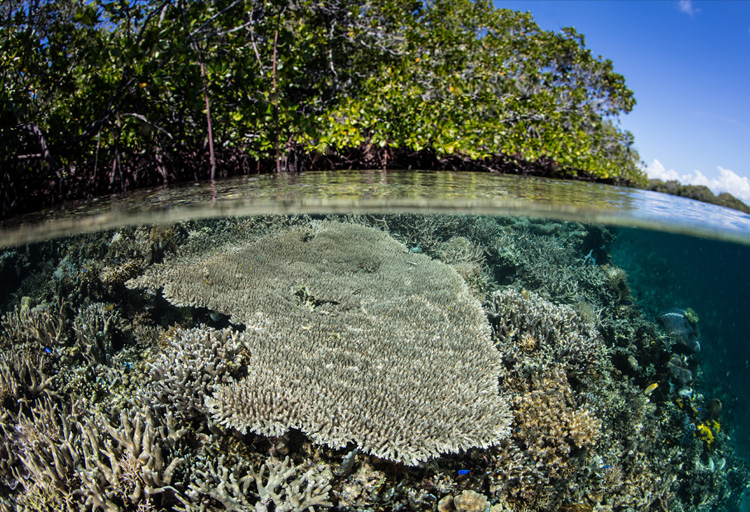
What if India's pathway to net zero does not end at factories—but begins where terrestrial meets the coastal? As carbon emissions rise and climate risks intensify, the search for solutions has largely...
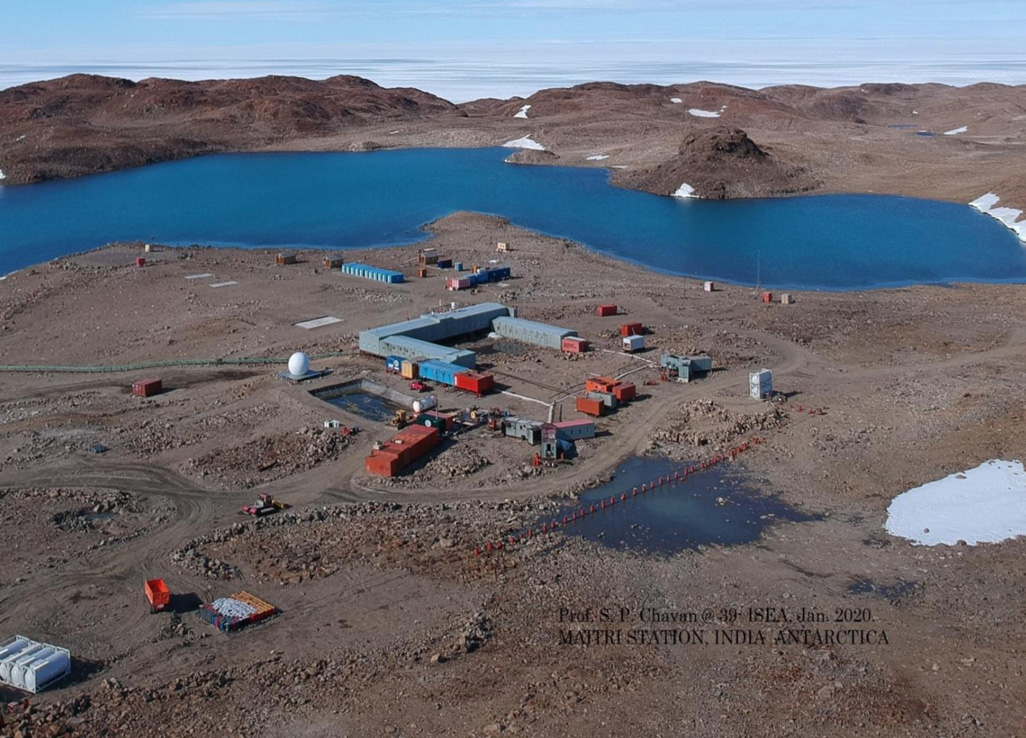
India is set to embark on a new chapter in its Polar exploration journey with the construction of Maitri II. The Indian government plans to establish a new research station near the existing Maitri ba...
The Deep Ocean Mission (DOM), approved by the Government of India in 2021 under the Ministry of Earth Sciences (MoES), represents a strategic step in realizing Sustainable Development Goal 14 (SDG 14:...
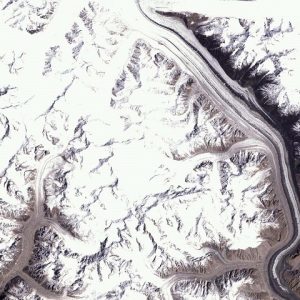
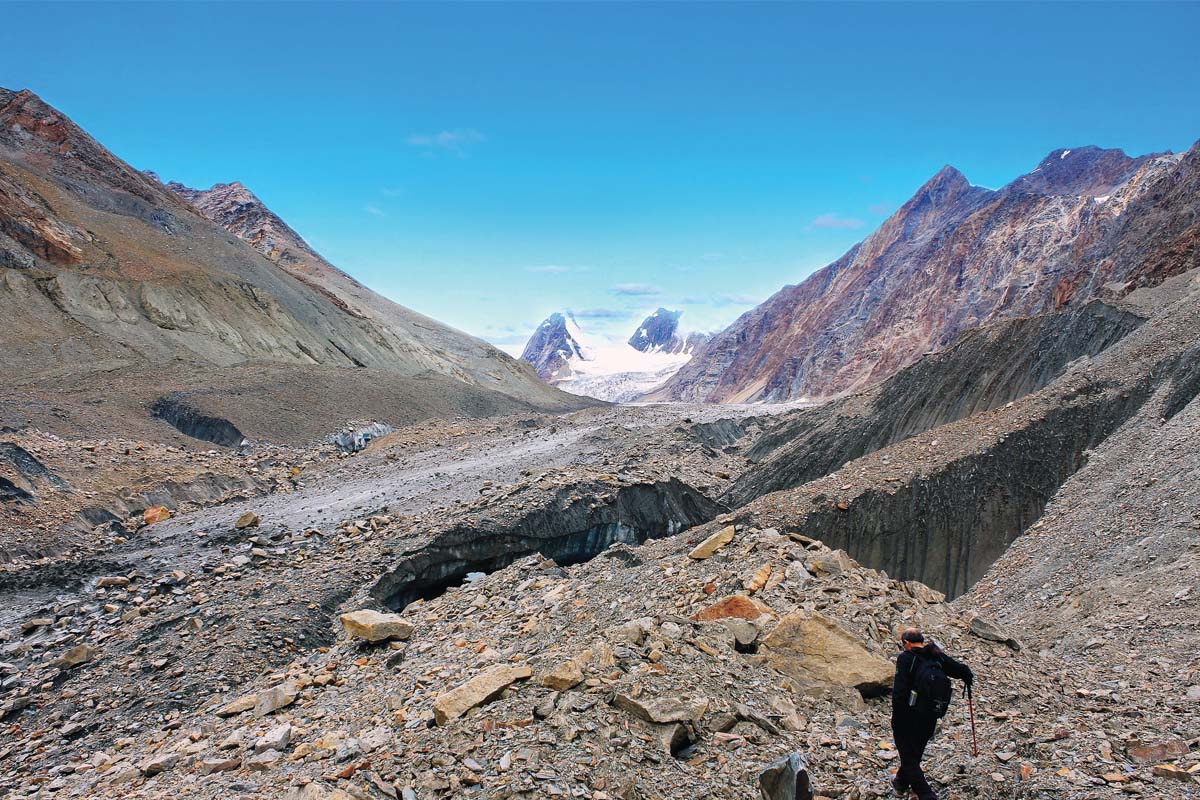
In the central and eastern Himalayas, a general negative mass balance has been reported, whereas in the glaciers of the Karakoram Range in the northwestern Himalaya, heterogeneous behaviour is depicte...
Himalaya has been warming at a rate much higher than the global average. The results of studies on the glaciers of three basins - Indus, Ganga and Brahmaputra conducted over three decades are discusse...
In the central and eastern Himalayas, a general negative mass balance has been reported, whereas in the glaciers of the Karakoram Range in the northwestern Himalaya, heterogeneous behaviour is depicted.
Himalaya has been warming at a rate much higher than the global average. The results of studies on the glaciers of three basins - Indus, Ganga and Brahmaputra conducted over three decades are discussed.